About Qeqertarsuaq
Qeqertarsuaq, Disko Island
About Qeqertarsuaq
Welcome to Qeqertarsuaq, a town located on the majestic Disko Island, Greenland’s largest island. Founded as the whaling station Godhavn in 1773. Qeqertarsuaq quickly became known as the “capital” of North Greenland during the colonial era and the center of whaling due to the abundance of whales in the area.
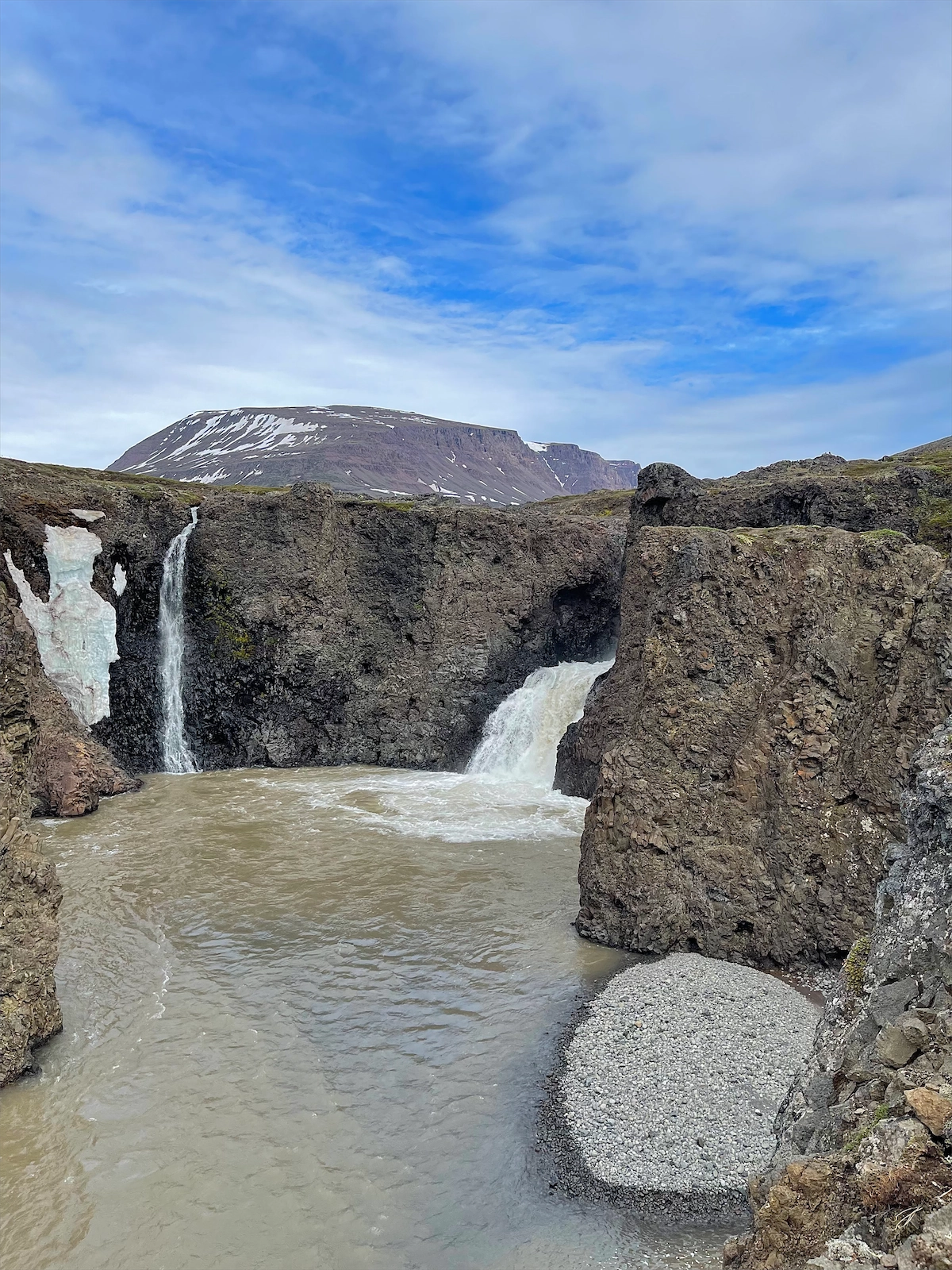
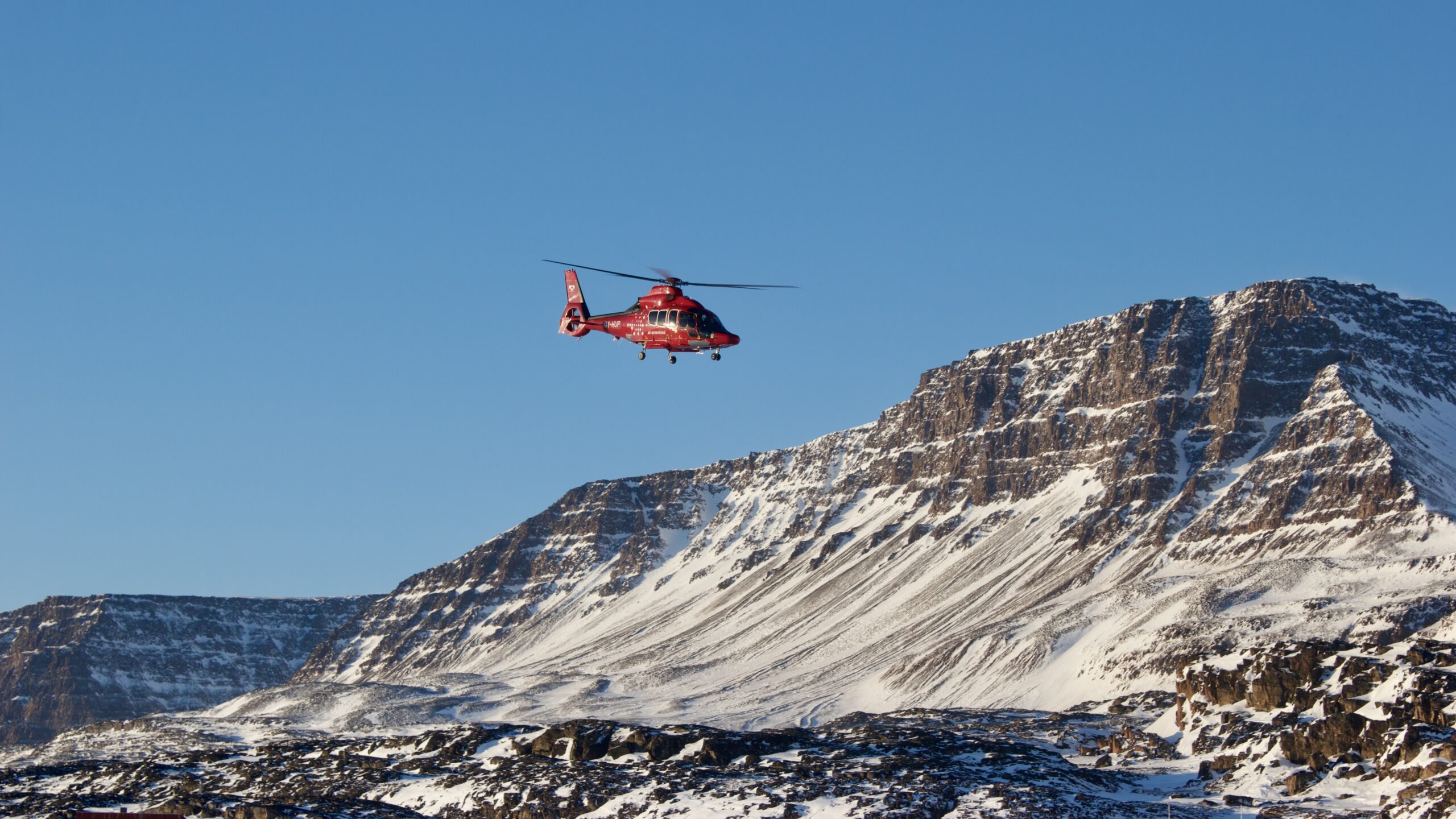
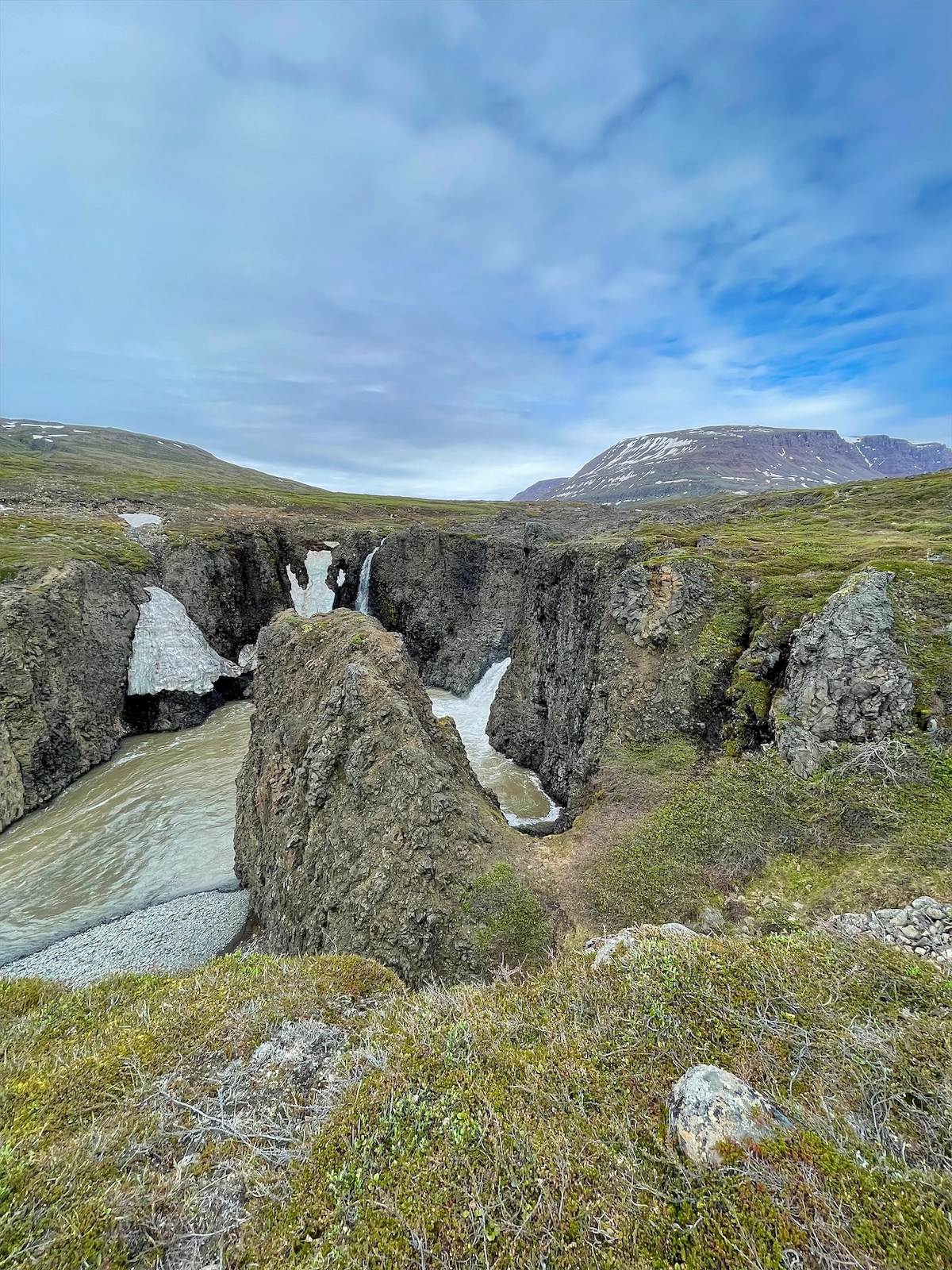
Today, about 850 people live in Qeqertarsuaq, with an additional 10 residents in the nearby settlement of Kangerluk. The town is surrounded by the unique landscape of Disko Island, characterized by its volcanic past, which has created high basalt cliffs, hot springs, and lush valleys. The island is geologically young, formed by magma eruptions 50-60 million years ago, giving it a unique geology compared to the rest of Greenland.
Disko Island also has its own ice cap with impressive glaciers located in the high, inaccessible interior. With 267 vascular plants and a rich plant and animal life, the island is a biological hotspot. The area contains 70% of West Greenland’s plants and more than half of all Greenland’s plants. The island’s location between high Arctic and low Arctic climates gives it a unique biodiversity, where hot springs on the southern coast create an ideal habitat for species with southern distribution.
The sea around Disko Island is rich in wildlife, from large whales such as fin whales and Bowhead whales to small invertebrates found abundantly in plankton and cold deep-sea sediments.
Come and experience Qeqertarsuaq, a town full of history, natural beauty, and unique experiences!
About Qeqertarsuaq
Different seasons
Disko Island, located off the western coast of Greenland, primarily experiences four distinct seasons, similar to other Arctic regions:
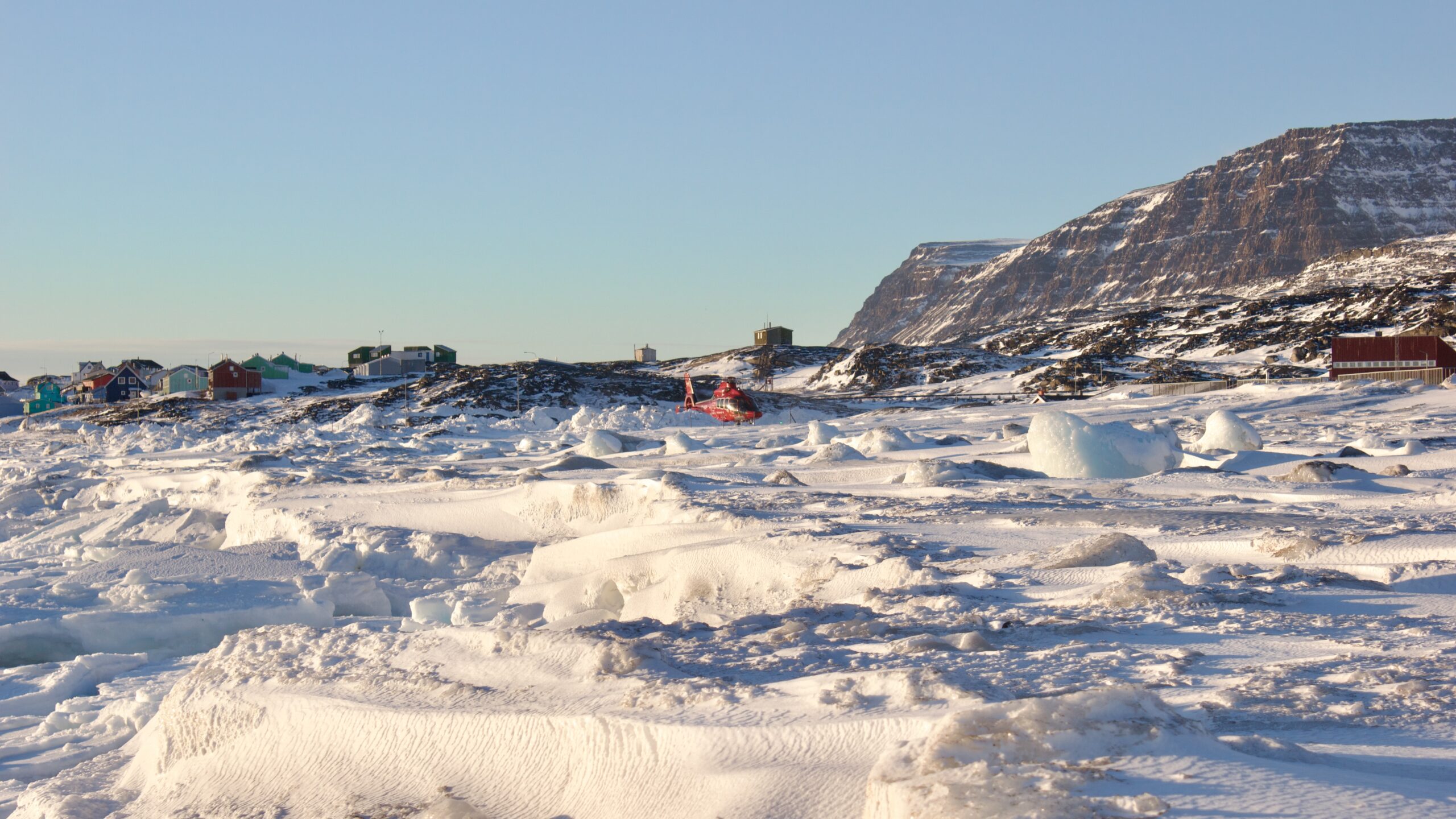
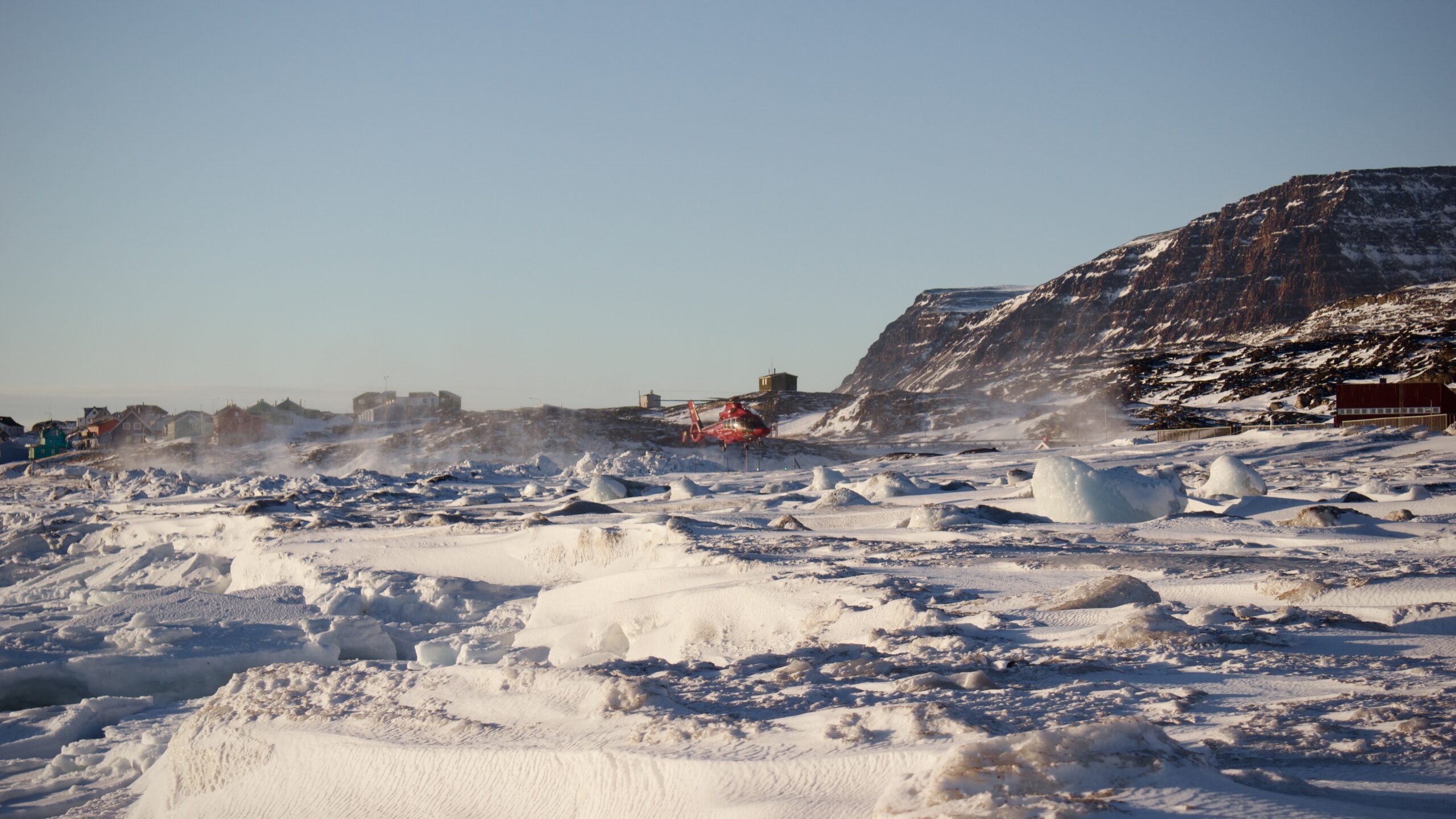
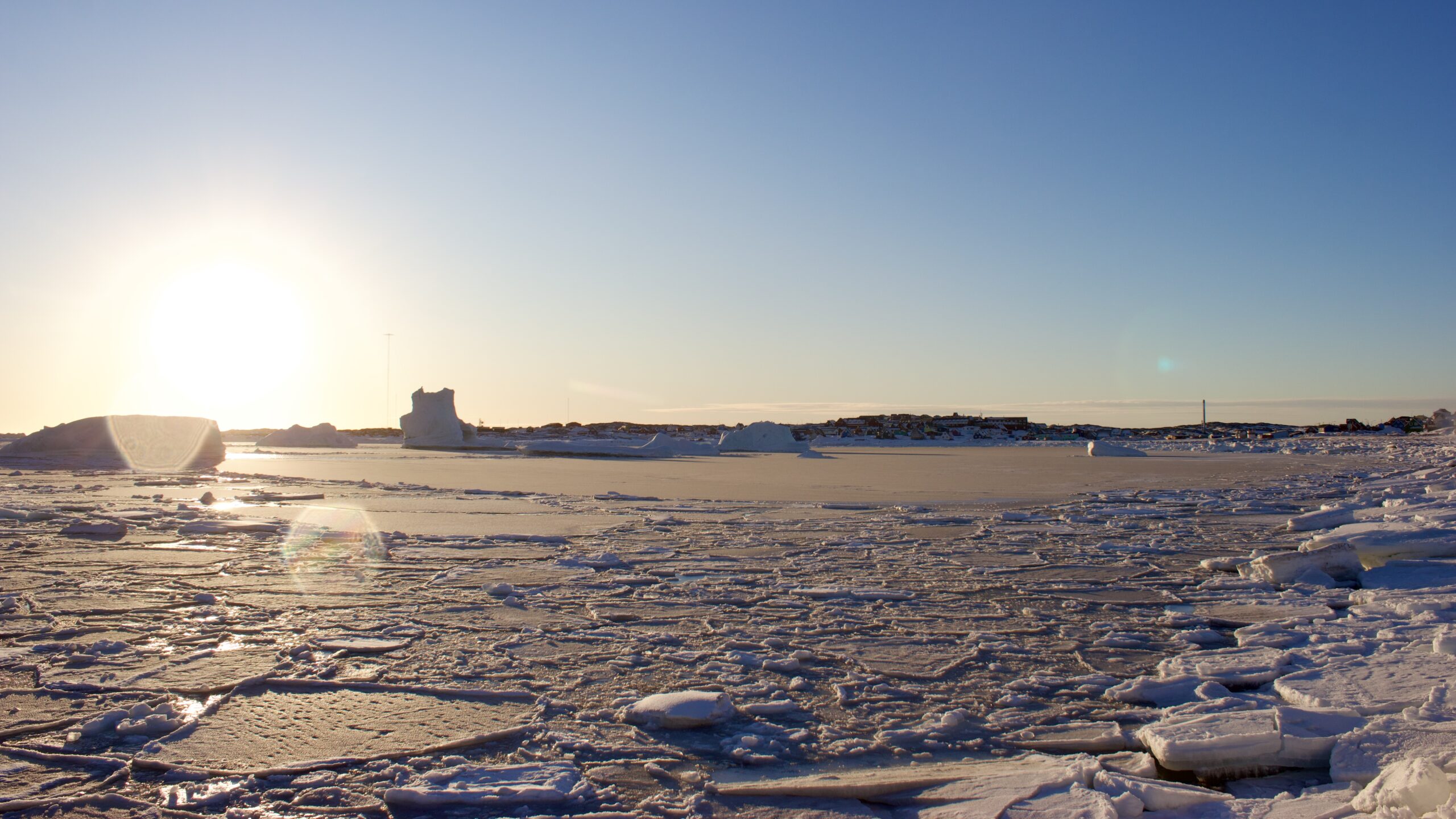
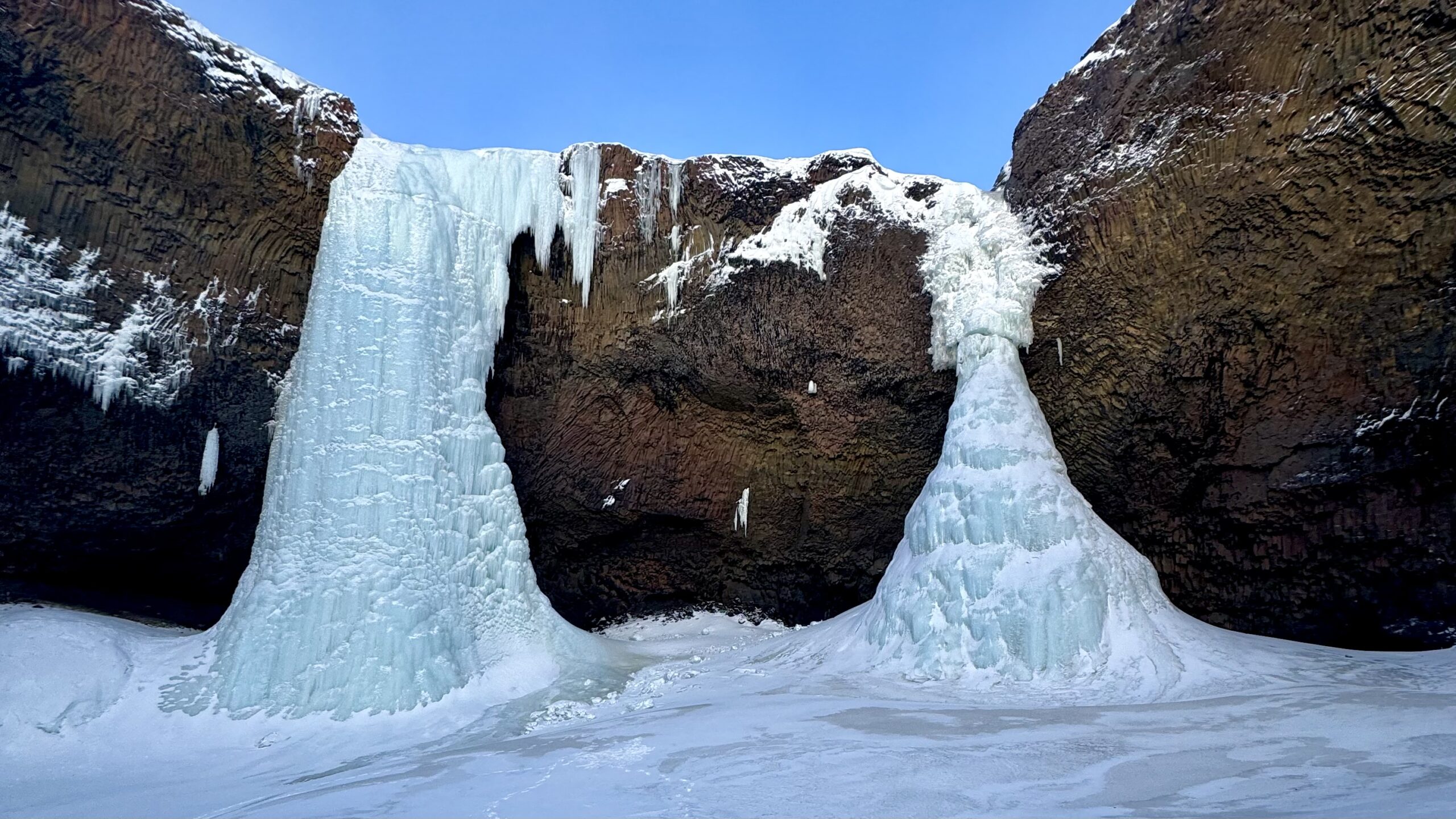
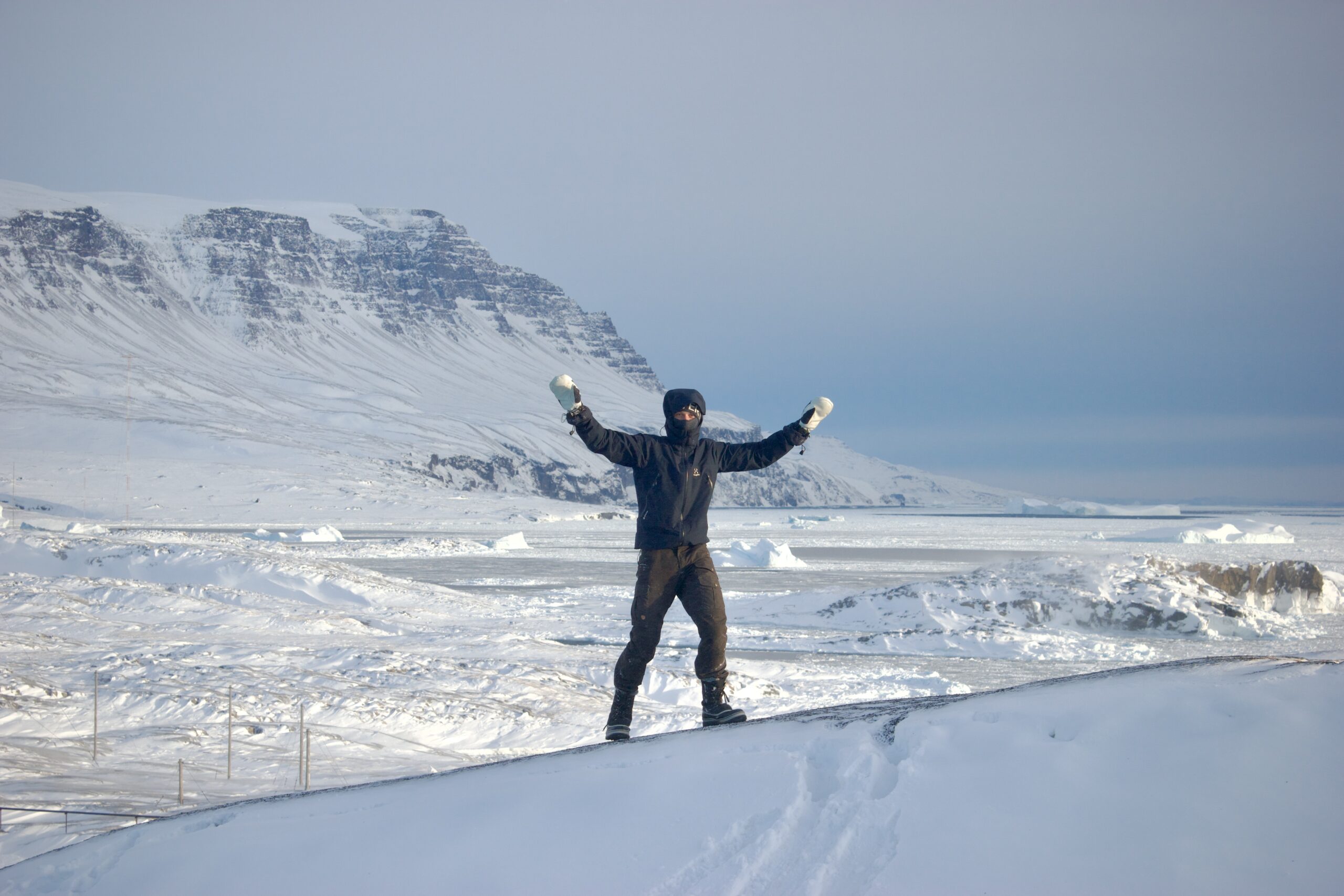
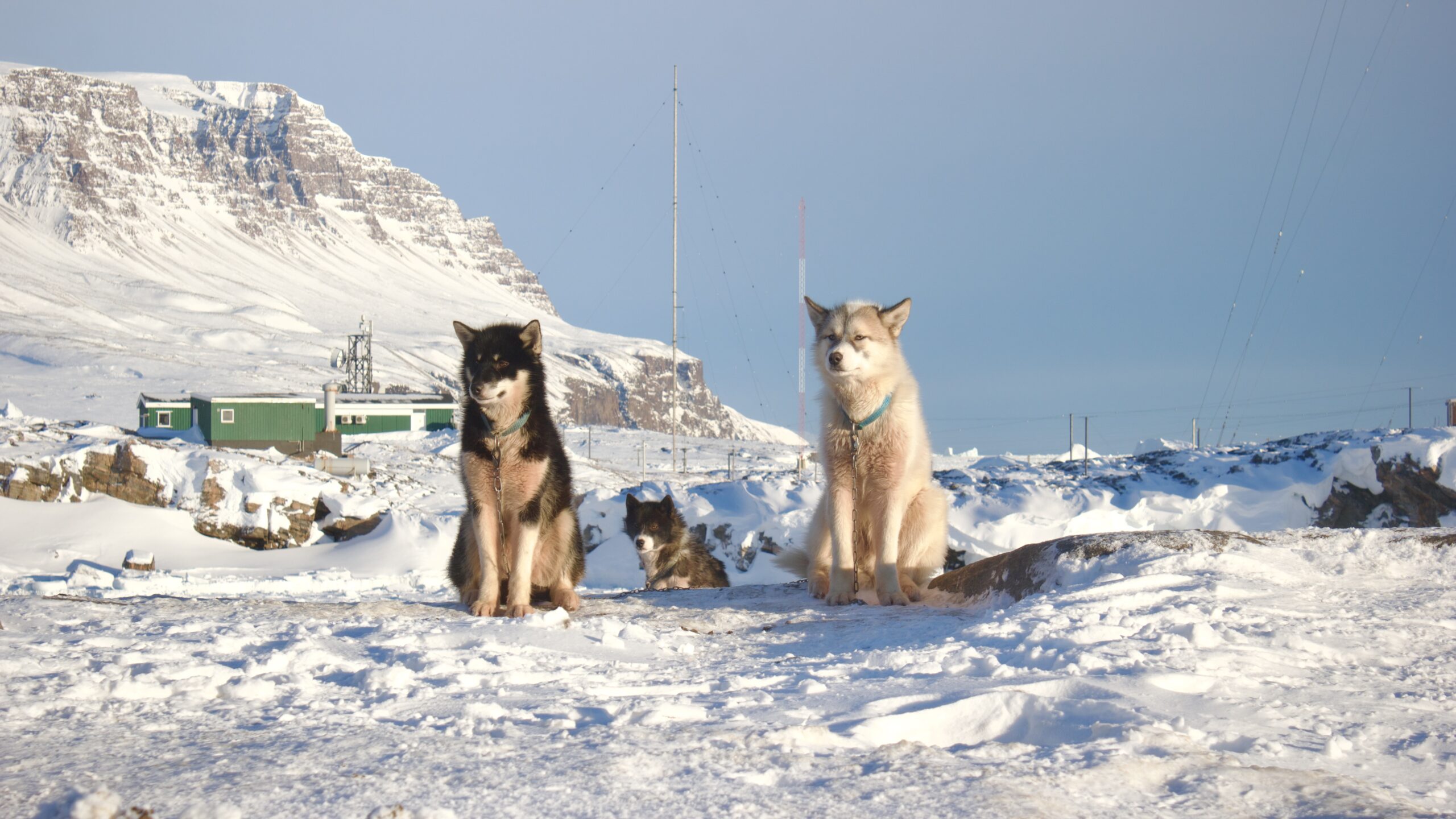
- Winter (November to March): Characterized by long, dark days, extreme cold, and heavy snowfall. The temperatures can drop significantly, and the sea around the island often freezes.
- Spring (April to May): A short transitional period where temperatures begin to rise, snow starts melting, and the days become longer.
- Summer (June to August): Although brief, summer in Disko Island brings milder temperatures, extended daylight (with the midnight sun), and a burst of life as the ice melts, and flora and fauna become more active.
- Autumn (September to October): A quick transition back to colder weather, with shorter days and the return of ice and snow. This season sees the landscape prepare for the long winter ahead.
These seasons can vary in intensity and duration due to the island’s Arctic location, but the pattern generally follows this cycle.
2.2 months
January
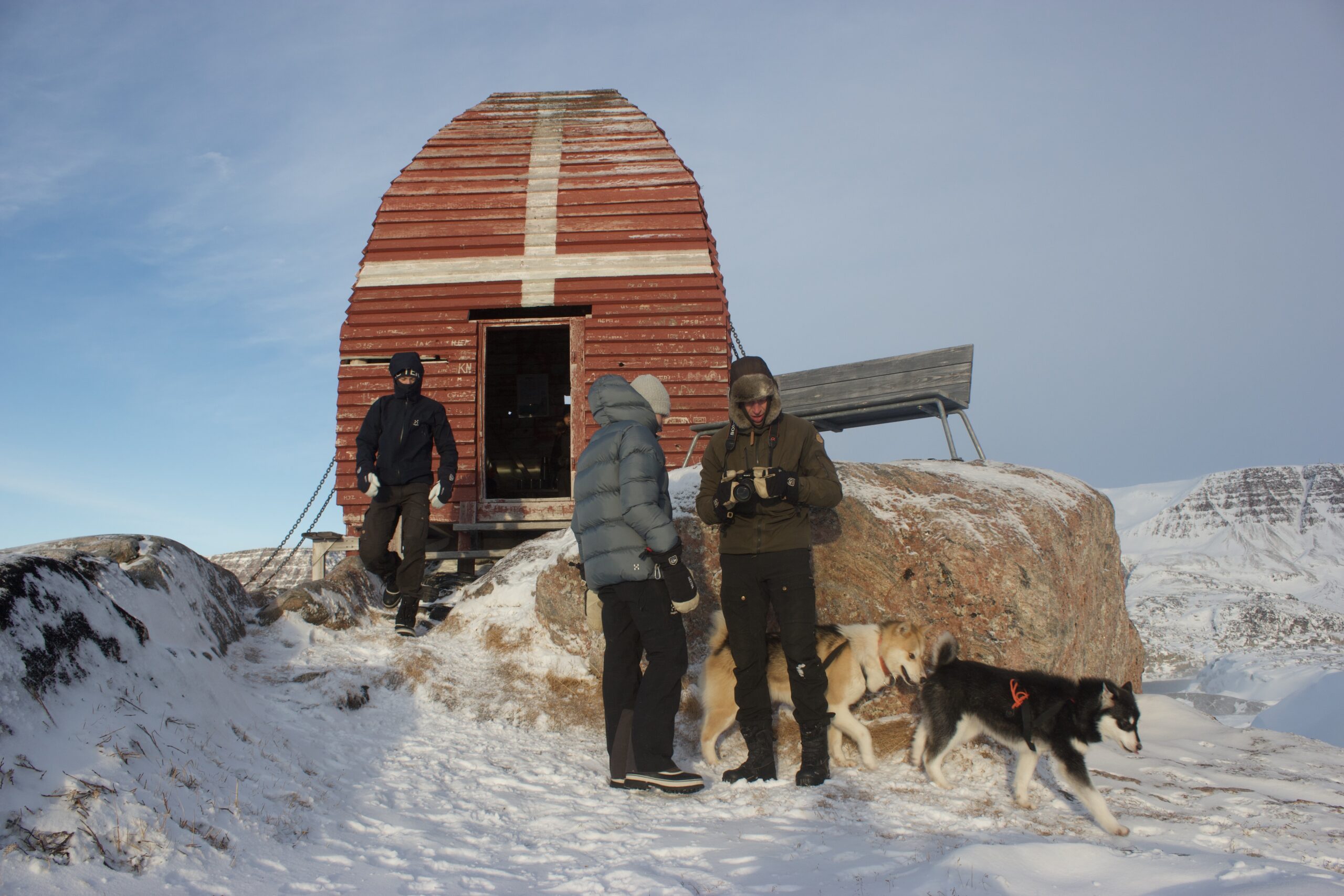
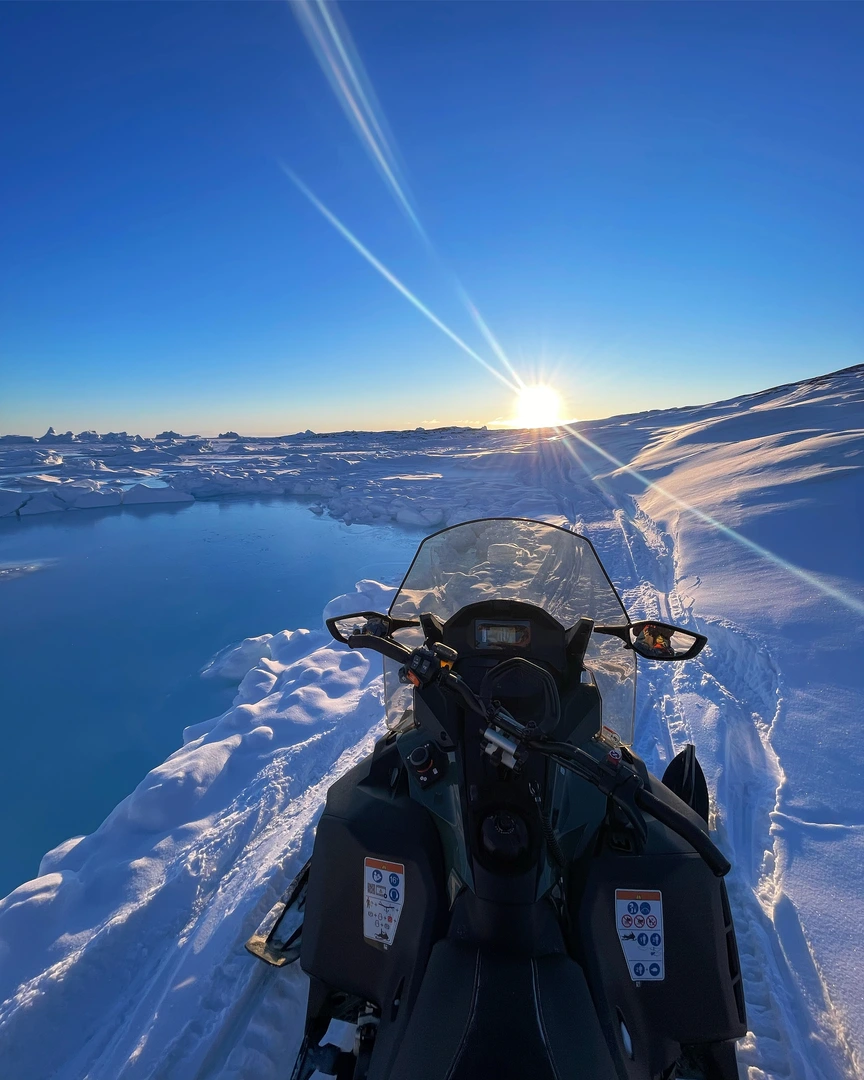
- Winter: January is deep in the Arctic winter. The island experiences near-total darkness with only a few hours of twilight each day. Temperatures are extremely cold, often well below freezing. The sea around the island is frozen, and the landscape is covered in thick snow. Harsh winds and snowstorms are common. This month is also prime time for viewing the Northern Lights, with frequent displays illuminating the dark sky. January is perfect for winter activities like snowmobiling and dog sledding, which are popular ways to navigate the frozen landscape and experience the rugged beauty of Disko Island.
February
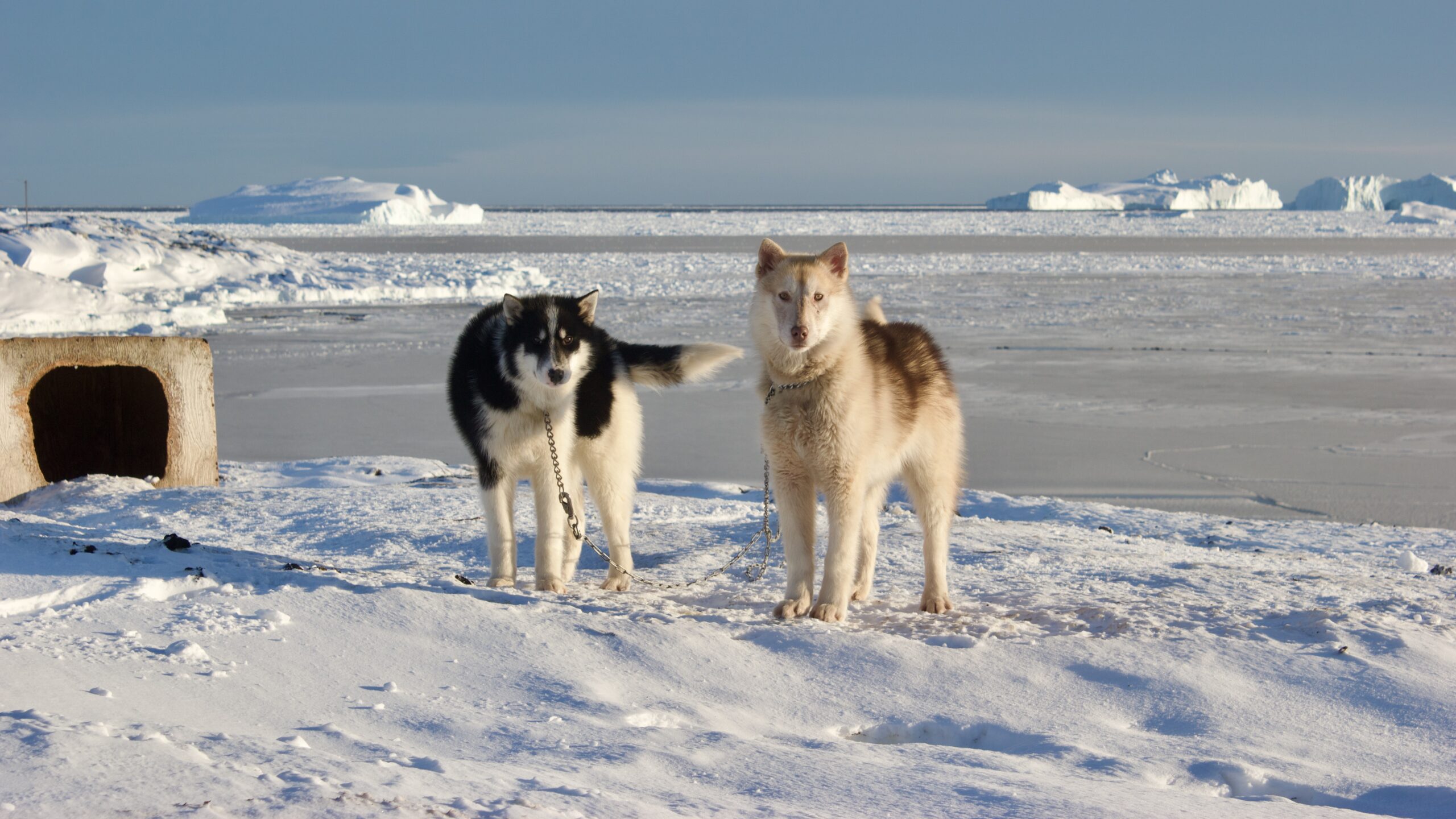
- Winter: Similar to January, February remains cold and dark, though the days begin to lengthen slightly. The island is still under a thick blanket of snow, and the sea ice remains solid. Wildlife activity is minimal, with most animals either hibernating or adapted to the extreme conditions. The Northern Lights continue to be a spectacular sight in February, with long, dark nights providing ample opportunities to witness them. Snowmobiling and dog sledding continue to be popular activities, offering both adventure and a connection to traditional Greenlandic culture.
March
- Winter: The sun starts to make a more regular appearance, but temperatures remain very cold. Snow and ice continue to dominate the landscape, but daylight increases gradually, signaling the approaching end of winter. The Northern Lights are still visible in March, though the increasing daylight means fewer hours of darkness to see them. This is also a great time for snowmobiling and dog sledding as the conditions remain favorable for these activities, providing an exhilarating way to explore the island.
April
- Spring: The island begins to transition out of winter. While snow and ice are still prevalent, the days become noticeably longer, and temperatures begin to rise slightly. The increased sunlight starts to melt the snow, though conditions are still far from mild. April is also the beginning of a very nice time for spotting bowhead whales around Disko Island, as these majestic creatures migrate through the waters as the ice starts to break up. April is probably the best month for dog sledding, with the perfect combination of stable snow cover and longer daylight hours, making it an ideal time for this traditional activity. Snowmobiling is also still popular during this month. Northern Lights are rare by now, but early April may still have some sightings.
May
- Spring: Snowmelt accelerates, and patches of bare ground begin to appear. The ice on the sea starts to break up, and temperatures continue to rise. The island experiences long days, with nearly 24 hours of daylight by the end of the month. Plant life begins to emerge, and birds return to the island. May is an excellent month for observing bowhead whales, as they continue their migration through the waters around Disko Island, often visible from the shore or on boat tours. While snowmobiling and dog sledding opportunities decrease as the snow melts, early May might still offer some last chances for these activities in higher elevations. Northern Lights are generally not visible in May due to the extended daylight.
June
- Summer: June brings the midnight sun, where the sun does not set, providing continuous daylight. Temperatures are at their mildest, although still cool. The landscape is green with tundra vegetation, and the island’s wildlife, including birds and marine mammals, is active. The sea ice retreats significantly, opening up the waters around the island. June 21st marks the summer solstice, the longest day of the year, which is also celebrated as Greenland’s National Day. This day is particularly special on Disko Island, with cultural celebrations and a deep appreciation for the extended daylight. Northern Lights are not visible during June due to the constant daylight.
July
- Summer: July is the warmest month on Disko Island, with temperatures occasionally reaching above freezing. The landscape is fully thawed, and plant life is in full bloom. The island is bathed in 24-hour sunlight, and the sea is mostly ice-free. This is the peak of biological activity, with animals feeding and breeding. Northern Lights are not visible in July due to the 24-hour daylight.
August
- Summer: Similar to July, August remains relatively mild with continuous daylight at the start of the month. However, by the end of August, the midnight sun ends, and nights gradually return. The temperatures begin to cool slightly, and the first signs of autumn appear. As the nights begin to lengthen towards the end of the month, there’s a slight chance to see the Northern Lights again.
September
- Autumn: September marks the beginning of the transition back to colder weather. The days shorten quickly, and temperatures drop. Snow may start falling by the end of the month, and the sea begins to refreeze. Vegetation starts to die back, and animal activity decreases as they prepare for winter. September also brings the return of the Northern Lights, which can be seen more frequently as the nights grow longer and darker.
October
- Autumn: The landscape becomes increasingly winter-like, with regular snowfall and freezing temperatures. Daylight hours are reduced significantly, and the sea is often ice-bound again. The island prepares for the long, dark winter ahead, and most wildlife becomes dormant. October is a great month for viewing the Northern Lights, with long, dark nights providing excellent conditions for these displays.
November
- Winter: November brings the return of near-total darkness, with only a few hours of weak daylight each day. Temperatures plummet, and the island is fully covered in snow and ice. Harsh weather conditions prevail, with strong winds and snowstorms. November is also prime time for Northern Lights, as the extended darkness creates perfect conditions for witnessing these vibrant displays. This month also marks the return of snowmobiling and dog sledding opportunities, as the island enters its winter phase.
December
- Winter: December is one of the darkest and coldest months on Disko Island. The sun barely rises above the horizon, if at all, resulting in long nights and short, dim days. The landscape is frozen and snow-covered, with little to no wildlife activity visible. December 21st marks the winter solstice, the shortest day and longest night of the year, and is an ideal time for observing the Northern Lights, which are frequent and vivid during this dark period. Snowmobiling and dog sledding are popular throughout December, offering thrilling ways to explore the icy wilderness. The island is in the full grip of winter.
Talk to us
Have any questions about our guided tours?
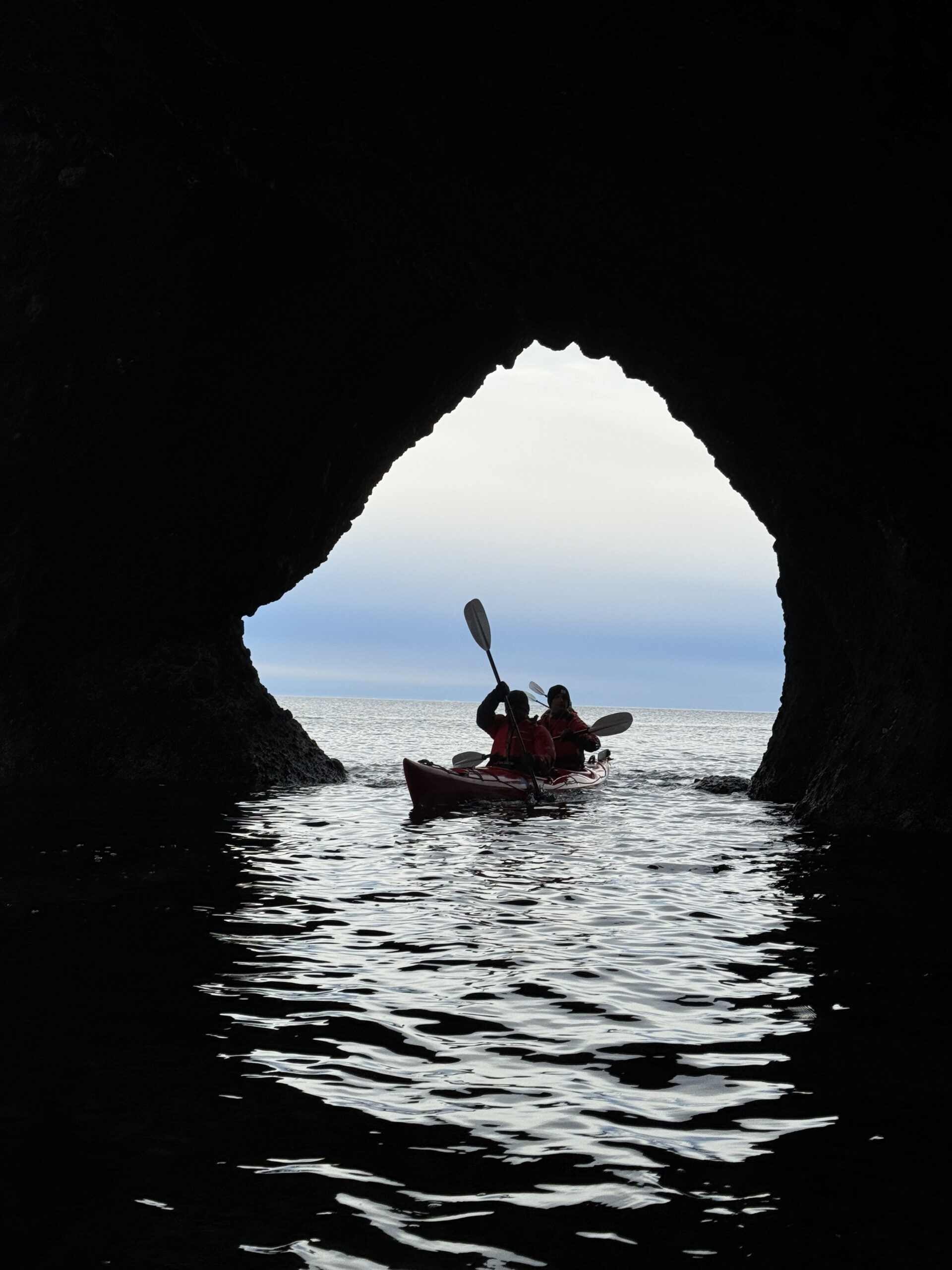
We’re here to chat about kayaking, hiking, and how we can assist you in creating memorable outdoor experiences.